
Flopself (Album)
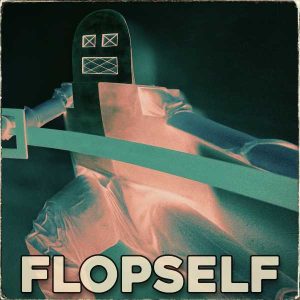
The self-titled album was originally conceived as a shorter release. In my view, ten tracks is an ideal length for a rock album, but the final version expanded to fourteen songs in order to include a wider selection of material written during the same period.
Because of that decision, the album is not entirely cohesive. Tracks such as “Everclear and Lodge,” “Practical Train,” “Tunnel,” and “Clouds” stand somewhat apart from the album’s central sound. A condensed ten-track version remains an interesting possibility for the future.
With the exception of “Tunnel” and “Surrogate Feeder,” most of the songs were originally written and demoed during the 1990s and early 2000s. That period largely defines the album’s character and explains its strong alternative and indie rock influences.
The songwriting approach is intentionally simple. Most songs began as guitar riffs and developed through traditional verse-chorus structures, occasionally drawing from the quiet-loud-quiet dynamic that has become a staple of alternative rock.
“Tunnel” began as an experimental instrumental built around unusual sounds before evolving into a guitar-driven song. “Everclear and Lodge” is rooted in a classic acoustic progression, while “Practical Train” may be the track that differs most from the overall mood of the record.
Lyrically, the songs are not concerned with strict grammar or conventional poetic structure. Many lyrics were written years apart and later combined with newer ideas. Meaning often takes a secondary role to rhythm, sound, and atmosphere. Rather than presenting direct narratives, the lyrics are intended to remain open to interpretation.
Looking back, there are roughly eight songs on the album that feel completely aligned with one another, and that core is what gives the record its identity. Although the album functions as a collection of songs from a specific period, it also serves as the foundation of the Flopself project as a whole.
Body Fluids
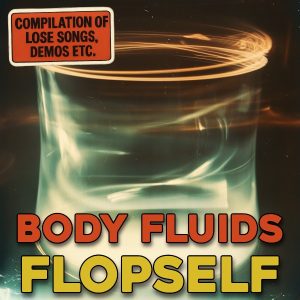
As the subtitle suggests, Body Fluids is essentially a collection of demos, outtakes, and loose songs that did not fit comfortably within a more cohesive album.
Flopself was originally intended to consist of only a small number of releases, and many songs were completed and issued at the same time. Some tracks simply belonged elsewhere.
The compilation includes “Unfinished Birth,” the first song I ever composed. Although it holds particular significance, it never seemed to fit within the framework of the self-titled album or any other planned release. It eventually found its place here alongside other songs that stand on their own rather than as part of a larger concept.
Many of the tracks remain personal favorites despite their rough and unpolished nature. Songs such as “Electric White Rope” and “Packer” may lack refinement, but they capture ideas and moments that still feel meaningful to me.
The material spans several decades, ranging from songs written in the 1990s and early 2000s to more recent compositions. As a result, Body Fluids is perhaps the most varied release in the Flopself catalog.
Far Off in the Dim
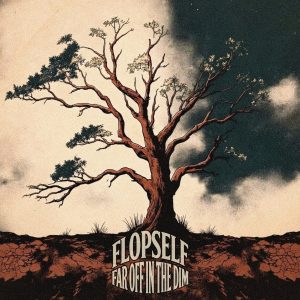
Far Off in the Dim is what I consider the first fully cohesive Flopself album.
Unlike earlier releases, there was a conscious effort to ensure that every song belonged within the same musical and lyrical world. The writing is more focused, the sequencing more deliberate, and the overall atmosphere more unified.
The songs were written much more recently than those on the self-titled album, largely within the last decade. Their different character is partly a result of that time gap. Whereas many earlier songs began on acoustic guitar, much of this album was composed on electric guitar, which naturally shaped the final sound.
The record is heavier, rougher, and more structured than previous releases. Acoustic elements are absent, and several songs began life as instrumental pieces influenced by sludge, noise rock, and experimental music before gradually evolving into complete vocal songs.
“Flip It” is one example. Originally conceived as a fully instrumental composition built around distortion and layered guitar effects, it eventually transformed into a more melodic and concise song.
At ten tracks, the album reflects what I consider the ideal length for a rock record. Although it was not the first Flopself release chronologically, it feels like the project’s true debut album in terms of artistic identity and cohesion.
The Self Control EP
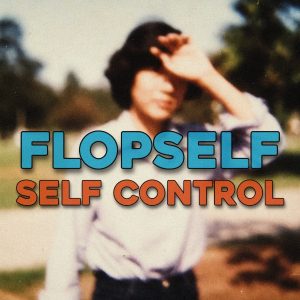
The Self Control EP began as a simple idea: recording a cover version of the well-known 1980s hit “Self Control.” Originally, the song was intended to be released on its own, but several newer compositions were completed around the same time and naturally came together as an EP.
Compared to earlier Flopself releases, these songs are more polished and deliberately structured. While the project still retains its characteristic guitar-driven approach, the songwriting moves closer to mainstream rock and pop conventions than the alternative and indie influences that shaped much of the older material.
The difference is not accidental. These songs were written decades after many of the tracks featured on the first releases, and they reflect both changing influences and a different approach to composition. While still unmistakably part of Flopself, they represent a later stage in the project’s evolution.
Free Samples (Single)

“Free Samples” was originally written around 1998. Although the final version remains faithful to the original structure, the song was significantly shortened during production.
Of all the older songs revisited for Flopself, this one perhaps captures most clearly the spirit of the original demo. The arrangement was refined, but the core identity remained intact.
It is also one of the heaviest songs in the Flopself catalogue, built around a direct and aggressive energy that survived every revision the song underwent over the years.
Deep Inside / Things (Single)
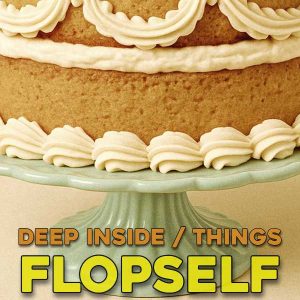
These two songs were written during the same period as “Clay” and “Bruised,” and all four share a similar songwriting approach and atmosphere.
“Deep Inside” went through several different versions before arriving at its final form. It was originally titled “Sacred Image,” then later became “Deep Inside He Just Wanna Die.” Eventually, I decided that the phrase worked better as part of the song itself rather than as the title. The shorter title felt less direct and allowed more room for interpretation.
“Things” is one of the oldest songs associated with Flopself. I was around seventeen years old when it was written. At the time, I was heavily influenced by bands such as Mudhoney, and the first working title was actually “Mud Song.” It later became “Bad Daydream” before finally settling on “Things.”
Because the self-titled album had already grown beyond its intended size, these two tracks were ultimately released together as a separate single rather than being included on the album.
Fetch / Barbette (Single)
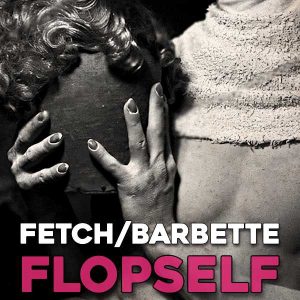
Both “Fetch” and “Barbette” were written within the last decade and naturally differ from much of the material composed during the 1990s and early 2000s.
“Fetch” was conceived as a short and direct song built around sudden contrasts in dynamics. The idea was to combine a heavy guitar riff with moments of silence and feedback before returning to a full-band chorus. While the lyrics remain intentionally abstract, they loosely explore ideas of submission, conformity, and people becoming little more than components within larger social systems.
“Barbette” began as an instrumental composition. The song was inspired by Barbette, the American stage performer whose gender-bending act made them a celebrated figure in Europe during the 1920s and 1930s. Barbette also appeared in Jean Cocteau’s film The Blood of a Poet.
Their life combined glamour, celebrity, and tragedy, eventually ending in suicide. The song was intended as a tribute to a remarkable figure whose influence on queer and transgender cultural history is often overlooked.
Submarine / Grass in the Box (Single)
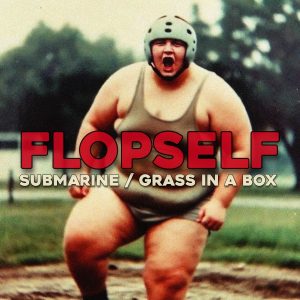
Both of these songs originated nearly three decades ago.
“Submarine” was originally titled “Bad Son” and began as a far more metal-oriented composition. Over time, the arrangement evolved significantly, although the core chord structure remained intact. One major exception was the ending, which originally consisted of an extended instrumental section centered on bass guitar, drums, and heavily distorted guitars.
“Grass in the Box” is one of the few Flopself songs that retained both its original title and much of its original lyrical structure. It remains remarkably close to the version first imagined many years ago and is still one of my personal favorites within the catalogue.
Clown God (Single)
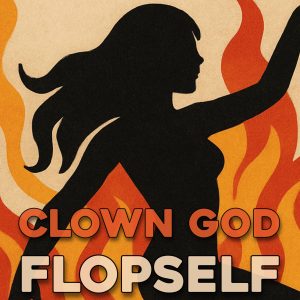
“Clown God” is another song written during the last decade.
Its appeal lies largely in its simplicity. The arrangement is deliberately raw and direct, allowing the lyrics to take center stage. Those lyrics originated from a poem written years earlier and explore a sense of disillusionment, depicting someone on the edge of emotional collapse who begins to imagine God as a clown playing games with human lives.
Musically, the song draws heavily from 1960s psychedelic rock. It was originally intended for an abandoned project focused on psychedelic-inspired material before eventually finding a home within Flopself.
Cover Songs
Although Flopself primarily exists to release original material, recording cover songs has always been a way of paying tribute to artists and songwriters I admire. I am particularly interested in covers that reinterpret familiar songs rather than simply recreating them.
Yes Sir, I Can Boogie
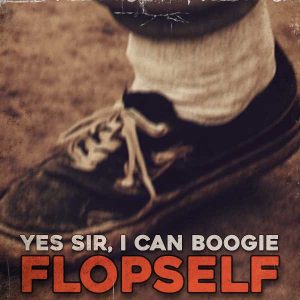
I have always enjoyed hearing songs transformed through completely different musical styles.
The original version by Baccara contains a beautiful chord progression that adapts surprisingly well to heavier guitar arrangements. What began as an experiment quickly became something worth releasing.
It eventually became the most-streamed Flopself recording, which was unexpected. While I naturally wish more listeners would discover the original songs, the enduring popularity of the track is easy to understand. It is a remarkably well-written piece of pop music.
You Think You’re a Man
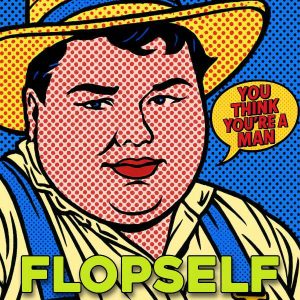
Originally recorded by Divine, this remains one of my favorite pop songs.
Beyond its infectious melody, I have always admired Divine’s fearless personality and sense of humor. One thing that has often struck me is how some male singers alter the lyrics when covering songs that reference another man. I have never seen the point of doing that.
If a song is written from a particular perspective, I believe it should remain intact. The original meaning is part of what makes the song work.
Follow Me / Oh Mother, Look What They’ve Done to Me
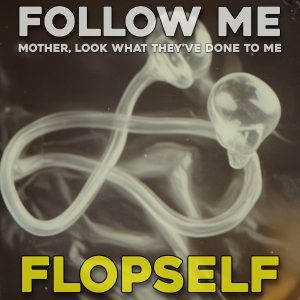
Amanda Lear is one of the most fascinating figures in popular music and popular culture. Her influence often feels overlooked despite her connections to artists such as David Bowie and Roxy Music.
After all, she is the “Miss Amanda Jones” from the Rolling Stones song, she is the iconic figure on the Roxy Music’s “For Your Pleasure” cover, she was for some time David Bowie’s muse and lover.
Both songs originate from Sweet Revenge, which I consider her finest album.
These covers were intended primarily as a tribute, (Lear is a very talented lyricist) but they also demonstrate how strong songwriting can transcend genre and adapt naturally to different musical settings.
Harley Davidson
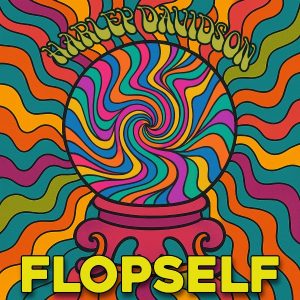
Originally written by Serge Gainsbourg for Brigitte Bardot, “Harley Davidson” is already close to perfect in its original form.
The song effortlessly blends pop, rock, and psychedelia, and this cover was intended as a tribute to two artists whose work has had a lasting impact on me. The decision to make the recording bilingual helped distinguish it from the original while preserving the spirit of the song.
Self Control
Few songs capture the atmosphere of 1980s pop as effectively as “Self Control.”
I spent considerable time trying to achieve the sound I imagined for this version. Although it was initially planned as a standalone release, its production quality and stylistic direction ultimately inspired the creation of an entire EP around it.
The original recording by Laura Branigan remains iconic, and this version was created out of admiration for that performance.